

How to Organize a Messy Desk with Minimal Accessories in 2026?
A cluttered desk kills productivity and wastes valuable workspace. The good news: you don’t need expensive organizers or gadgets to fix it. This guide shows you how to transform a messy desk using simple, low-cost methods in 2026. Start by removing everything, then categorize items into keep, donate, and discard piles. Next, establish zones for different work tasks. Finally, use everyday items like jars, boxes, and drawer dividers as storage solutions. Most people overlook the power of vertical space and simple containment. With these strategies, you’ll reclaim your desk in hours, not days.

A productive workspace directly impacts focus and creativity. When your desk is organized, you spend less time searching for items and more time on meaningful work. The minimalist approach avoids overwhelming you with too many organizational systems to maintain. By using what you already have at home, you save money while achieving professional results. This method works for students, remote workers, and anyone sharing desk space at home.
Why Does a Messy Desk Hurt Your Productivity?
Clutter creates mental fatigue and decision paralysis. Your brain processes visual chaos, which drains cognitive resources needed for actual work. Studies show that disorganized workspaces reduce focus and increase stress levels. When papers, pens, and random items cover your desk, finding what you need becomes a frustrating hunt.

Beyond mental impact, a messy desk wastes physical time. You might spend fifteen minutes daily searching for scissors, notepads, or documents. Over a month, that’s five hours of lost productivity. An organized desk eliminates this friction.
- Reduces decision fatigue throughout the day.
- Decreases time spent searching for items.
- Improves focus and concentration on tasks.
- Creates a professional appearance for video calls.
- Prevents important documents from getting lost.
Key Takeaway: A clean desk directly improves focus, saves time, and reduces daily stress.
What’s the Best Way to Declutter Your Desk First?
Decluttering is the foundation of desk organization. Remove everything from your desk surface and drawers. Place each item in front of you and make an honest decision: do you use it weekly? Does it belong on a desk? Is it broken or expired? Be ruthless. Most people keep items “just in case” but never use them.

The Three-Pile Method
Sort items into three piles: keep, donate, and discard. Keep items you use at least monthly and that serve your work. Donate functional items you don’t use—old notebooks, duplicate pens, or extra office supplies. Discard broken items, dried-out markers, and expired sticky notes immediately.
- Keep: Daily-use items like your computer, phone, and primary writing tools.
- Donate: Duplicate supplies, unused gifts, or extra office items in good condition.
- Discard: Broken items, expired materials, and trash.
After sorting, you’ll likely reduce desk items by fifty percent or more. This dramatic reduction makes organization much easier.
Key Takeaway: Aggressive decluttering removes the foundation of mess before you organize anything.
How Do You Create Work Zones on a Minimal Desk?
Zones organize your desk by function without adding clutter. Designate specific areas for different activities: a writing zone, a computer zone, and a reference zone. This prevents items from spreading across your entire surface. Your brain also works better when similar tasks stay together.
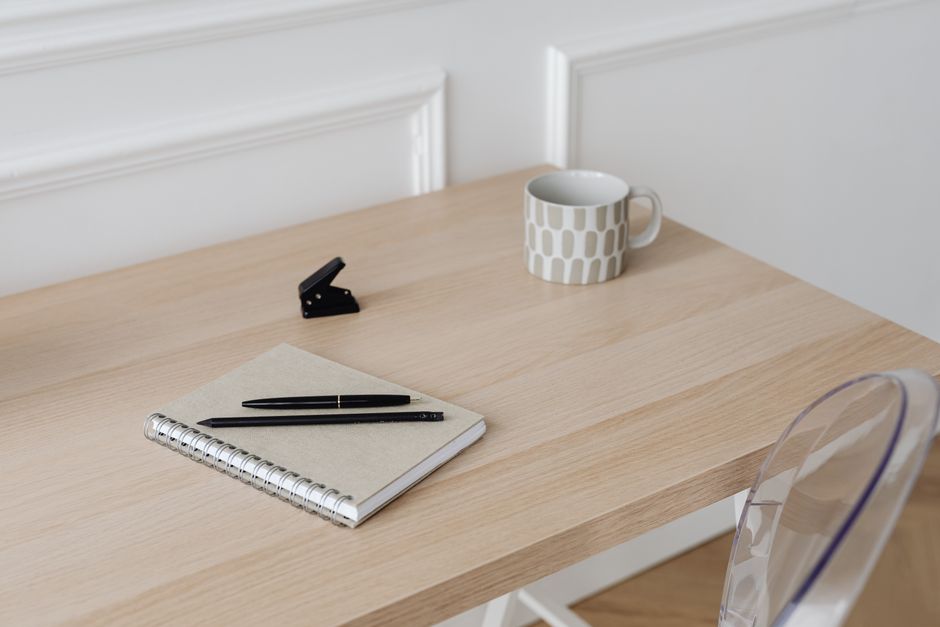
Left Side: Writing and Notes
Reserve your left side for writing supplies and notepads. Keep only your most-used pen, pencil, and a small notepad here. This zone supports quick note-taking and brainstorming. Position items within arm’s reach to minimize movement.
Center: Computer and Main Work
Your desk center should host your computer monitor or laptop. This is your primary work zone. Keep this area as clear as possible. Only your keyboard, mouse, and active project materials belong here.
Right Side: Reference and Inbox
Use your right side for reference materials and incoming items. A single small tray or box holds papers awaiting action. This prevents loose papers from migrating across your desk. Review this zone daily to process items quickly.
- Left zone: Writing tools and notepads only.
- Center zone: Computer and active work materials.
- Right zone: Reference materials and inbox tray.
Key Takeaway: Zoning creates natural boundaries that prevent clutter from spreading.
What Minimal Accessories Actually Help Organize a Desk?
You don’t need fancy organizers. Simple containers and dividers work better. Look for items you already own: jars, small boxes, coffee mugs, or drawer dividers. These cost nothing and work just as well as expensive desk organizers. The key is using vertical space and containing similar items together.
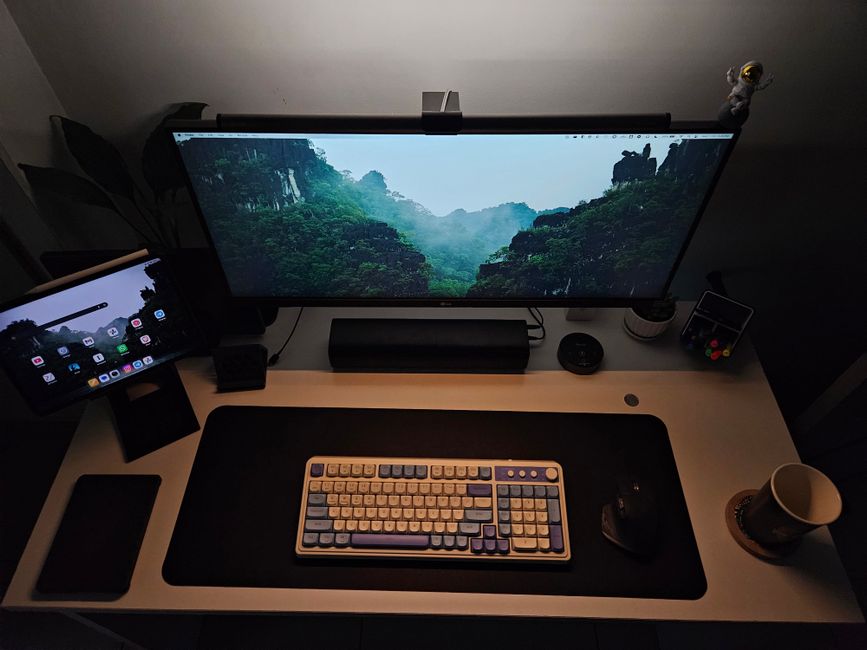
Containers You Already Have
Mason jars hold pens and pencils beautifully. Small cardboard boxes become drawer dividers. Mug organizers store notepads and small supplies. Coffee cups hold writing tools. Repurposing existing items keeps costs at zero while solving storage problems. This approach also feels more personal than generic plastic organizers.
- Mason jars: Perfect for pens, pencils, and markers.
- Small boxes: Create compartments in drawers for supplies.
- Mugs or cups: Store writing tools and desk accessories.
- Drawer dividers: Separate items by category in desk drawers.
- Vertical file holders: Keep papers upright and visible.
Vertical Storage Solutions
Vertical space is underutilized on most desks. Wall-mounted shelves, pegboards, or hanging organizers move items off your desktop. Even a simple shelf above your desk provides storage without taking surface space. This is crucial for minimal desk organization. If you’re interested in more storage solutions, consider reading about how to anchor a bookshelf to the wall safely for permanent installations.
Key Takeaway: Repurposed household items and vertical storage eliminate the need for expensive organizers.
How Should You Organize Desk Drawers for Easy Access?
Desk drawers are prime real estate for organization. Divide each drawer by category and create a system you can maintain. Use small boxes or dividers to separate pens, sticky notes, paper clips, and other supplies. Label each section so you know exactly where things belong. This prevents the “junk drawer” problem where everything gets mixed together.
Drawer Organization Steps
- Remove everything from the drawer and wipe it clean.
- Create dividers using small boxes or cardboard pieces.
- Assign one category to each section: pens, paper, clips, etc.
- Use labels or write category names directly on dividers.
- Place frequently used items in the front for easy access.
The top drawer should hold your most-used items: pens, notepads, and scissors. Middle drawers work for reference materials and less-frequent supplies. Bottom drawers store backup items and supplies you use occasionally. This tiered system saves time and keeps your workspace functional.
Key Takeaway: Labeled drawer dividers maintain organization without requiring expensive organizers.
What Cable Management Strategies Work for Minimal Desks?
Cables create visual chaos and physical clutter. Even with minimal accessories, managing cords is essential. Use simple cable ties, clips, or even rubber bands to bundle cables together. Route cords behind your desk or along the back edge where they’re invisible. This single step dramatically improves desk appearance. For comprehensive cable solutions, check out how to hide cords behind a TV stand for advanced techniques.
- Bundle similar cables together with clips or ties.
- Route cords along the back edge of your desk.
- Use adhesive clips to secure cables to desk legs.
- Label cable ends with tape to identify them quickly.
- Keep extra cables in a drawer, not on your desk.
Cable management takes thirty minutes but pays dividends in visual cleanliness. Your desk instantly looks more professional and organized.
Key Takeaway: Simple cable management removes visual clutter and improves workspace aesthetics.
How Do You Maintain an Organized Desk Long-Term?
Organization fails without maintenance. Establish a daily habit of returning items to their zones. Spend five minutes at the end of each workday clearing your desk surface. Return pens to containers, file papers, and remove mugs or dishes. This prevents clutter from accumulating again. Small daily effort beats overwhelming weekly cleanups.
Weekly and Monthly Maintenance
Once weekly, review your inbox tray and process pending papers. File important documents or discard unnecessary ones. Monthly, assess your system and adjust zones if needed. Are you using all the items in your desk? Remove anything that hasn’t been touched in a month. This prevents the desk from reverting to chaos.
- Daily: Spend five minutes clearing your desk surface.
- Weekly: Process your inbox tray and file papers.
- Monthly: Remove unused items and reassess your system.
Key Takeaway: Five-minute daily maintenance prevents organizational systems from failing.
What’s the Connection Between Desk Organization and Ergonomics?
An organized desk supports proper ergonomics and comfort. When items are positioned correctly, you don’t strain to reach them. Your monitor should be at eye level, keyboard at elbow height, and frequently used items within arm’s reach. Poor desk organization often forces awkward postures that cause pain over time. For comprehensive guidance, see how to set up an ergonomic home office desk for complete setup instructions.
Organizing your desk also prevents repetitive strain injuries. When supplies are positioned logically, you move efficiently without unnecessary reaching or twisting. This reduces fatigue and improves comfort during long work sessions. A well-organized desk is inherently a well-designed desk.
Key Takeaway: Proper organization supports ergonomic positioning and prevents strain injuries.
Frequently Asked Questions
Can you organize a desk without buying organizers?
Yes, absolutely. Repurpose jars, boxes, mugs, and containers you already own. Mason jars hold pens beautifully. Small boxes create drawer dividers. Vertical space using shelves or pegboards moves items off your surface. Most people have adequate organizational materials at home already.
How long does it take to organize a messy desk?
Most desks take two to four hours to fully organize. Decluttering takes the longest time. Creating zones and setting up containers happens quickly. After initial organization, five-minute daily maintenance keeps your desk clean. Start with decluttering, then move to organizing.
What should you never keep on a desk surface?
Remove dishes, drinks, and personal items that don’t support work. Avoid decorative items that create clutter. Keep reference books and backup supplies in drawers or shelves instead. Your desk surface should host only active work materials and essential daily-use items.
How do you prevent a desk from becoming messy again?
Establish a five-minute end-of-day clearing routine. Return items to their designated zones immediately after use. Process your inbox tray weekly. Monthly, remove items you haven’t used. Consistency matters more than perfection. Small daily habits prevent major clutter buildup.
Should you keep a desk completely clear?
No. A completely bare desk feels sterile and limits functionality. Keep items you use daily within reach. Aim for a clean surface with only active work materials visible. This balances functionality with cleanliness and reduces decision fatigue.
What’s the best desk layout for organization?
Use a three-zone system: writing zone on the left, computer work in the center, and reference materials on the right. Keep frequently used items at arm’s reach. Position your monitor at eye level. This layout minimizes movement and supports efficient work.
How Can You Build a Sustainable Desk Organization System?
Sustainable organization matches your actual work habits, not idealized versions. Observe how you work for one week before organizing. Where do papers accumulate? What supplies do you reach for most? Build your system around these patterns. A system that conflicts with your natural workflow will fail within days.
Start small and expand gradually. Don’t reorganize everything at once. Begin with your desk surface, then tackle drawers. Add vertical storage if you need it. This gradual approach prevents overwhelm and lets you adjust the system as you learn what works. The best organization system is one you’ll actually maintain.
Track what works and what doesn’t. After two weeks, evaluate your setup. Are you using all the zones you created? Do items end up in the wrong places consistently? Adjust accordingly. Organization is iterative, not static. Your system should evolve with your needs.
Key Takeaway: Sustainable organization systems match your actual work patterns and evolve over time.
Conclusion: Start Your Desk Organization Today
Organizing a messy desk doesn’t require expensive gadgets or elaborate systems. Start by removing everything and ruthlessly decluttering. Create three work zones and use containers you already own. Implement simple cable management and establish a five-minute daily maintenance routine. These steps transform a chaotic desk into a functional workspace in hours, not weeks. The minimal accessory approach keeps your desk clean without overwhelming complexity. Most importantly, remember that organization is a habit, not a destination. Consistency beats perfection. Your organized desk awaits—start today with the decluttering step and build from there.




Write Your Review
No reviews yet. Be the first to share your experience!