

What Is the Best Way to Mix and Match Dining Chairs in 2026?
Mixing and matching dining chairs creates visual interest and personality in your dining space while staying within budget. The key is balancing variety with cohesion through intentional color, material, and style choices. Start by selecting a unifying element—such as a common color palette, wood tone, or frame style—that ties all chairs together regardless of their differences. This approach prevents your dining room from looking chaotic and instead creates an intentional, designer-curated aesthetic that feels modern and sophisticated.
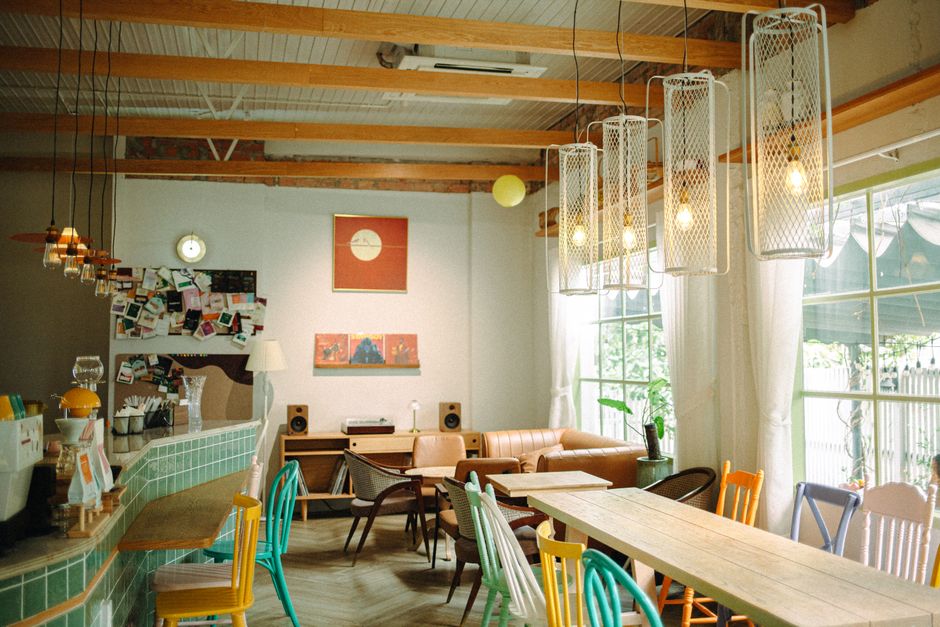
In 2026, eclectic dining is more popular than ever. Homeowners are moving away from matching furniture sets and embracing personalized spaces that reflect their unique tastes. You can pair vintage chairs with contemporary pieces, mix upholstered and wooden seats, or combine different colors in a thoughtful way. The secret lies in understanding basic design principles and knowing which elements to keep consistent while varying others. This guide walks you through proven strategies for creating a stunning mixed-chair dining room.
Key Takeaway: Successful chair mixing relies on one strong unifying element that connects all pieces visually.
How Do You Choose a Unifying Element for Mixed Dining Chairs?
A unifying element is the design thread that makes mismatched chairs feel intentional rather than random. Without it, your dining room risks looking cluttered or poorly planned. The most effective unifying elements are subtle but visible across every chair in your arrangement. This could be a shared color, wood finish, frame material, or design era.
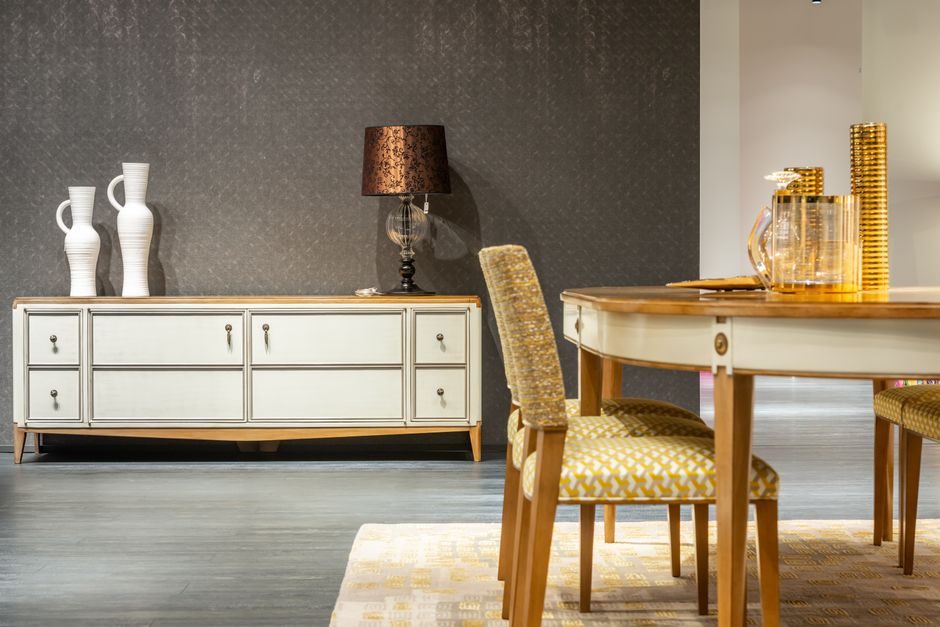
Color is the strongest unifying tool available to you. If all your chairs feature black frames—whether the seats are upholstered in different fabrics, patterns, or colors—the space feels cohesive. Similarly, keeping wood tones consistent across dining chairs creates visual harmony. You might pair a light oak chair with a light oak side chair and a light oak accent piece, all featuring different upholstery.
Common Unifying Elements to Consider
- Metal frame color (black, brass, chrome, or rose gold across all chairs).
- Wood tone (walnut, oak, cherry, or white-washed finishes).
- Upholstery color (all neutral, all jewel tones, or all pastels).
- Design style (mid-century modern, farmhouse, industrial, or contemporary).
- Seat height (all standard dining height for consistency).
- Back style (all with backs, all wingback, or all open-back frames).
Once you’ve selected your unifying element, everything else becomes flexible. You can vary upholstery patterns, seat depths, armrest styles, and even materials. The consistent frame color or wood tone anchors the look and prevents visual chaos. This is especially useful if you’re reupholstering dining chair seats to refresh your space.
Key Takeaway: Choose one strong unifying element—color, wood tone, or frame material—and keep it consistent across all chairs.
What Color Combinations Work Best for Mixed Dining Chairs?
Color is the easiest way to tie mismatched chairs together. The most foolproof approach is using a monochromatic or analogous color scheme where all chairs share the same color family but in different shades or finishes. This creates visual interest without clashing. For example, pair a cream upholstered chair with a tan one and a warm beige accent chair—all neutral but varied.
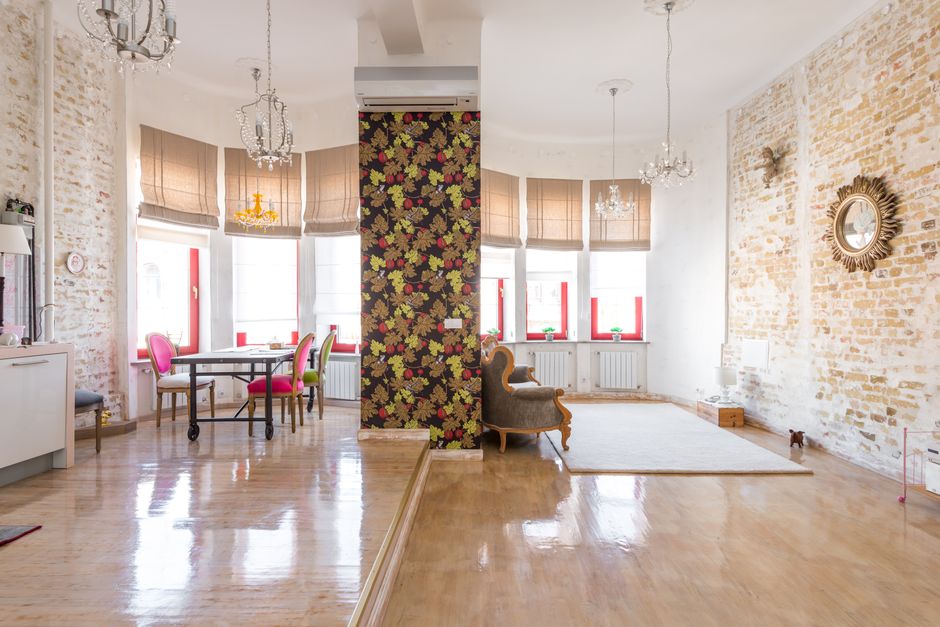
Complementary color mixing is bolder but requires more planning. Select two colors that sit opposite each other on the color wheel and alternate them across your dining chairs. Navy and mustard yellow, forest green and blush pink, or charcoal and cream create dynamic yet balanced looks. Limit yourself to two primary colors plus one neutral to avoid overwhelming the space.
Popular Color Pairing Strategies for 2026
- Neutrals with one accent color (four beige chairs, two navy chairs).
- Monochromatic shades (light gray, medium gray, dark gray, charcoal).
- Jewel tones paired with cream (emerald, sapphire, or amethyst with ivory).
- Earth tones (terracotta, sage, taupe, and cream together).
- Black frames with varied seat colors (bold pattern mixing).
The 60-30-10 rule works well for mixed dining chairs. Use your dominant color (60 percent) across most chairs, a secondary color (30 percent) on a few pieces, and an accent color (10 percent) as a pop. This prevents any single color from dominating and creates a balanced, intentional look. If you’re unsure, start with a neutral palette and add color gradually.
Key Takeaway: Use monochromatic or complementary color schemes with the 60-30-10 rule to create balanced, cohesive dining arrangements.
How Do You Mix Different Chair Styles Without Creating Chaos?
Mixing styles—such as pairing mid-century modern chairs with farmhouse pieces—seems risky but works when executed thoughtfully. The key is selecting styles that share design DNA. Mid-century modern and contemporary both value clean lines and minimalism. Farmhouse and rustic share natural materials and warmth. Industrial and modern both embrace metal frames and functionality.

Avoid pairing styles that clash philosophically. Ornate Victorian chairs and sleek minimalist pieces fight each other visually. Instead, look for overlapping elements. If both styles feature wood frames, similar seat heights, or comparable proportions, they’ll work together. The unifying element you selected earlier becomes even more critical when mixing styles.
Compatible Style Combinations
- Mid-century modern plus contemporary (both favor clean lines and simplicity).
- Farmhouse plus rustic (both use natural materials and warm finishes).
- Industrial plus modern (both feature metal and functional design).
- Scandinavian plus minimalist (both emphasize light, airy aesthetics).
- Transitional pieces work with almost any style (they bridge traditional and modern).
Transitional dining chairs are your secret weapon when mixing styles. These pieces blend traditional craftsmanship with modern simplicity, making them compatible with almost any aesthetic. A transitional chair with a classic silhouette but streamlined details can anchor a mixed-style dining room. Pair it with bolder style statements in other chairs, and the transitional piece creates visual breathing room.
Key Takeaway: Mix styles that share design principles, and use transitional pieces to bridge aesthetic gaps.
What Practical Strategies Help When Mixing Materials and Upholstery?
Material mixing adds texture and depth to your dining space. Combining upholstered chairs with wooden or metal-frame seats creates visual variety. Pair a plush velvet chair with a crisp linen seat and a smooth leather accent piece. The different textures make the space feel curated and intentional. Just ensure your unifying element (frame color or wood tone) remains consistent across all materials.
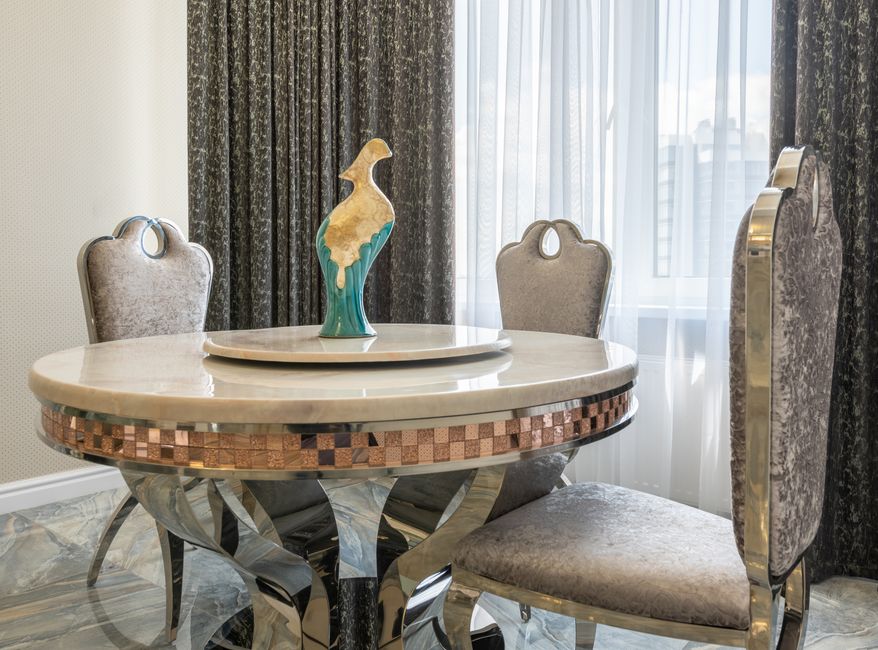
Upholstery patterns can be mixed effectively using the same color family. If your unifying element is a navy blue frame, choose chairs upholstered in navy solids, navy stripes, navy florals, and navy geometric prints. The pattern variety keeps things interesting while the color consistency maintains cohesion. Avoid mixing patterns across different color families—this creates visual noise rather than interest.
Material Mixing Guidelines
- Pair upholstered and bare-frame chairs in equal proportions (50/50 split works best).
- Mix textures within the same color family to avoid clashing.
- Combine natural materials (wood, leather, linen) with modern ones (metal, velvet, performance fabric).
- Use one bold pattern per color group; keep others solid or subtle.
- Ensure seat height consistency regardless of material differences.
Performance fabrics are ideal for mixed dining chairs, especially if you have children or pets. These durable materials maintain their appearance despite heavy use and come in countless colors and patterns. They look and feel like natural fabrics but offer superior stain resistance. This practical choice lets you focus on aesthetics without worrying about maintenance.
Key Takeaway: Mix materials and patterns within consistent color families to create textured yet cohesive dining spaces.
How Should You Arrange Mixed Dining Chairs Around Your Table?
Arrangement strategy affects how mixed chairs are perceived. Random placement makes your space feel unplanned, while strategic positioning creates intentional design. One popular approach is the alternating method: place contrasting chairs in an alternating pattern around the table. If you have two styles or colors, alternate them for maximum visual balance. This works beautifully with four, six, or eight-chair tables.
Another effective strategy is anchoring with matching end chairs. Place identical or very similar chairs at the table’s head and foot. Then vary the side chairs freely. This creates a focal point and sense of order while allowing creative freedom elsewhere. It’s particularly useful if you have heirloom chairs or statement pieces you want to highlight.
Arrangement Patterns That Work
- Alternating pattern (chair A, chair B, chair A, chair B around the table).
- Matching end chairs with varied side chairs (formal look with flexibility).
- Gradient arrangement (light to dark or modern to traditional progression).
- Color blocking (group similar colors together on one side).
- Symmetrical placement (mirror the arrangement on opposite sides).
The symmetrical approach is particularly effective for formal or traditional dining rooms. Place matching or similar chairs in mirror-image positions across the table’s centerline. This creates visual balance and a sense of intentional design. Even if your chairs are diverse, this arrangement makes them feel coordinated and purposeful rather than haphazard.
Key Takeaway: Use alternating, anchored, or symmetrical arrangements to make mixed chairs look intentionally designed rather than random.
What Budget-Friendly Tips Help You Mix and Match Dining Chairs?
Mixing and matching is inherently budget-friendly because you’re not buying a matching set. You can source chairs from different retailers, secondhand markets, and estate sales. In 2026, thrift shopping for dining chairs is both economical and sustainable. Look for solid frames and good bones; upholstery can always be refreshed through reupholstering dining chair seats.
Paint and stain are your budget multipliers. An inexpensive wooden chair becomes cohesive when you stain or paint its frame to match your unifying element. Mismatched chairs painted the same color instantly feel curated. Similarly, affordable upholstered chairs in various colors become coordinated when you add matching cushions or slipcovers in your chosen color scheme. These small investments create dramatic visual impact.
Money-Saving Strategies for Mixed Chairs
- Shop secondhand (Facebook Marketplace, estate sales, thrift stores, antique shops).
- Paint or stain mismatched frames to unify them.
- Use cushions and slipcovers to change upholstery color affordably.
- Mix high and low—invest in quality statement pieces, budget on basics.
- Buy frames and reupholster with affordable fabric yourself or professionally.
- Gradually build your set over time rather than buying everything at once.
The gradual approach lets you curate thoughtfully without financial pressure. Buy one quality statement chair, then add complementary pieces as you find them. This method often results in more interesting, personalized spaces than purchasing a complete set. You’ll develop a stronger design vision and avoid impulse purchases that don’t align with your overall aesthetic.
Key Takeaway: Mix and match dining chairs affordably by shopping secondhand, using paint and cushions strategically, and building your set gradually.
How Can You Create a Cohesive Look with Dining Chair Accessories?
Accessories amplify cohesion in mixed dining spaces. Seat cushions are the most impactful tool—they instantly unify chairs while adding comfort. Choose cushions in your unifying color or complementary pattern. Even if your chair frames vary wildly, matching cushions create visual harmony. Cushions also protect upholstery and provide an affordable refresh option when you want to change your color scheme.
Table linens, runners, and centerpieces work together with your chair arrangement. A coordinating tablecloth or runner grounds mixed chairs and ties them visually to the table itself. Centerpieces that echo your color palette reinforce the intentional design. These layered elements make the entire dining setting feel professionally styled rather than accidentally assembled.
Accessory Ideas for Mixed Chair Coordination
- Matching seat cushions in your unifying color (instant cohesion).
- Coordinating table runner that echoes chair colors.
- Centerpiece featuring colors from your chair palette.
- Placemats in complementary colors or patterns.
- Wall art or mirrors that tie the room’s color scheme together.
Lighting also affects how mixed chairs are perceived. Warm overhead lighting makes varied upholstery colors blend harmoniously. Cool lighting emphasizes contrasts. Consider your dining room’s natural and artificial light when choosing chair colors. A color that looks perfect in the showroom might appear different in your home’s lighting. Test samples in your actual space before committing.
Key Takeaway: Use cushions, linens, and accessories strategically to enhance cohesion in mixed dining chair arrangements.
What Common Mistakes Should You Avoid When Mixing Dining Chairs?
The biggest mistake is forgetting your unifying element. Mixing chairs without a consistent frame color, wood tone, or style creates visual chaos. Every chair looks random rather than intentionally chosen. Before purchasing or arranging chairs, identify and commit to one unifying element. This single decision prevents 90 percent of mixing-and-matching disasters.
Another common error is ignoring seat height consistency. Dining chairs should be approximately the same height so diners sit comfortably at the table. Mixing chairs of drastically different heights creates an awkward, unbalanced look and uncomfortable dining experience. Measure seat heights before purchasing, and aim for consistency within one inch.
Mistakes to Avoid
- Skipping a unifying element (creates visual chaos instead of intentional design).
- Mixing drastically different seat heights (uncomfortable and awkward-looking).
- Pairing too many clashing styles without common ground.
- Overcomplicating with too many colors or patterns.
- Ignoring proportion and scale (tiny chairs next to oversized ones).
- Forgetting to consider your dining room’s overall aesthetic.
Proportion matters more than most people realize. If your table is large and formal, tiny bistro chairs look out of place. Conversely, oversized statement chairs overwhelm a small, intimate table. Consider your table’s size, shape, and style when selecting chairs. Ensure chairs fit physically under the table and visually within the room’s scale.
Key Takeaway: Avoid chaos by maintaining a unifying element, consistent seat heights, and appropriate proportions throughout your mixed chair arrangement.
How Do You Update Your Mixed Dining Chairs Over Time?
One advantage of mixing and matching is flexibility. Your arrangement isn’t locked into a rigid set. As your style evolves or your needs change, you can swap individual chairs without replacing the entire dining set. In 2026, this adaptability is especially valuable as design trends shift and personal preferences develop. You might replace one chair per year, gradually refreshing your space affordably.
Reupholstering is an excellent way to update mixed chairs without replacing them. If your favorite chair’s upholstery is worn, refresh it with new fabric rather than discarding it. This approach is sustainable and often more affordable than buying new. You can also change your color scheme by reupholstering multiple chairs, keeping their beloved frames and structure.
Update Strategies for Longevity
- Replace one chair annually to gradually refresh your set.
- Reupholster aging chairs with new fabric and updated colors.
- Swap cushions seasonally or when you want a fresh look.
- Paint or stain frames to match new color schemes.
- Add new accessories (linens, centerpieces) to refresh without changing chairs.
Investing in quality frames with good bones means you can update upholstery indefinitely. A well-made wooden or metal frame lasts decades if cared for properly. The upholstery—the visible, high-use component—can be refreshed multiple times. This approach is both economical and environmentally conscious, aligning with 2026’s emphasis on sustainable home design.
Key Takeaway: Mixed chair arrangements offer flexibility to update gradually through reupholstering, swapping pieces, and refreshing accessories.
Conclusion: How Can You Master the Art of Mixed Dining Chairs?
Mixing and matching dining chairs is an accessible, budget-friendly way to create a personalized, designer-curated dining space. The process requires understanding one fundamental principle: select a unifying element and build your design around it. Whether you choose frame color, wood tone, style, or upholstery color, this consistent thread transforms mismatched pieces into an intentional aesthetic. In 2026, eclectic dining is celebrated as a reflection of individual taste and thoughtful design rather than a compromise or accident.
Success comes from balancing variety with cohesion. Vary patterns, colors, and styles freely within your unifying framework. Arrange chairs strategically—through alternating, anchoring, or symmetrical patterns—to emphasize intentional design. Use accessories like cushions and table linens to strengthen visual connections. Shop secondhand to save money while building a unique set. As your style evolves, update gradually by swapping individual chairs or reupholstering existing pieces. This flexible approach to dining furniture creates spaces that feel personal, beautiful, and distinctly yours.
Key Takeaway: Master mixed dining chairs by selecting one unifying element, arranging strategically, and building your set thoughtfully over time.
Frequently Asked Questions
Can you mix different dining chair styles at the same table?
Yes, you can successfully mix different styles like mid-century modern, farmhouse, and contemporary at the same table. The key is selecting styles that share design principles—such as clean lines, natural materials, or metal frames—and maintaining a consistent unifying element like frame color or wood tone. Transitional chairs work particularly well as bridges between diverse styles.
What is the best unifying element for mixed dining chairs?
The strongest unifying elements are frame color (black, brass, or chrome), wood tone (walnut, oak, or whitewashed), or upholstery color. Frame color is most effective because it’s visible regardless of seat style or material. Choose whichever element you can keep consistent across all chairs in your arrangement.
How many different chair styles should you mix?
Limit yourself to two or three distinct chair styles to avoid visual chaos. For example, pair one upholstered style with one wooden style, or mix two complementary styles with one transitional piece. More than three styles becomes overwhelming unless you’re an experienced designer working with a very large table.
Is it cheaper to buy a matching dining chair set or mix and match?
Mixing and matching is typically more affordable, especially when shopping secondhand. You can source chairs from thrift stores, estate sales, and online marketplaces, then unify them through paint, stain, or cushions. Building your set gradually also spreads costs over time rather than requiring one large purchase.
How do you make mismatched chairs look intentional?
Make mismatched chairs look intentional by selecting a clear unifying element, arranging them strategically (alternating, anchoring, or symmetrically), and using coordinating accessories like cushions and table linens. The combination of these elements signals thoughtful design rather than random assembly.
Can you mix upholstered and wooden dining chairs?
Absolutely. Mixing upholstered and wooden chairs creates interesting texture and visual variety. Ensure they share a consistent frame color or wood tone, and keep seat heights similar. This combination is particularly effective when you maintain a unified color palette across both chair types.





Write Your Review
No reviews yet. Be the first to share your experience!